
Cleaner, more efficient textile colouration matters.
Textile wet processing faces rising pressure around water use, energy consumption, effluent load and buyer compliance. Chemi Colour supports customers with product and process discussions that reflect these realities.
Efficiency is now a production requirement.
Modern textile processors need colouration systems that can support shade consistency, reduced washing burden, better fixation and responsible use of water and energy.
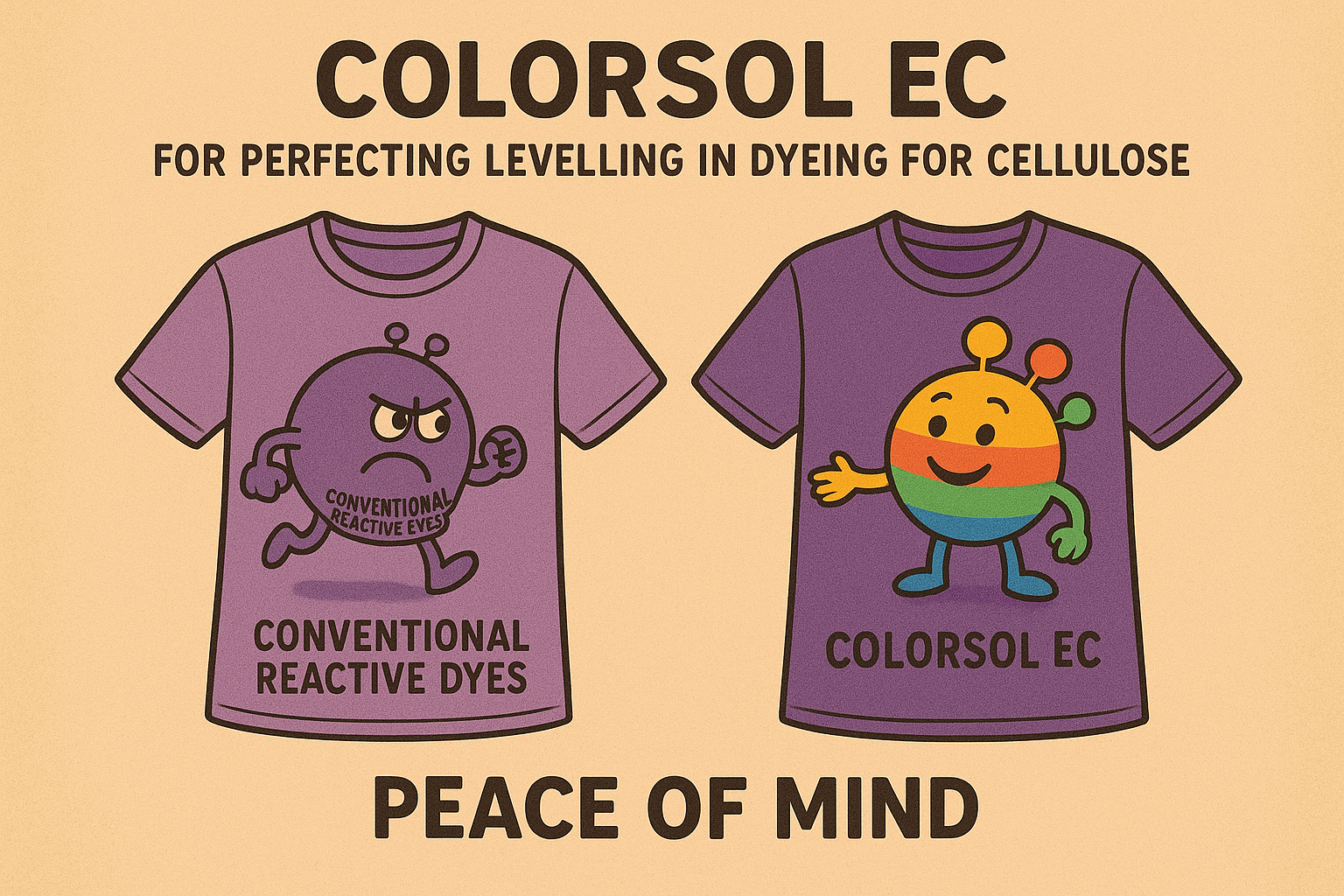
Where sustainability meets dyehouse practicality.
The goal is not vague “green” language. The real issues are process efficiency, water use, wash-off burden, energy cost, effluent load and reproducible quality.
Water Use
Textile wet processing is water-intensive. Better dyeing practice and more efficient wash-off can reduce unnecessary water burden.
Energy Demand
Lower-temperature wash-off and more efficient processes can help reduce heat and utility pressure in dyehouse operations.
Right-First-Time Dyeing
Improved reproducibility reduces rework, corrections, additional washing and production losses.
Colorsol SP-EC and lower wash-off burden.
The SP-EC technical material positions the range around continuous and exhaust dyeing, improved fixation and lower-temperature wash-off compared with conventional reactive dye approaches.
For mills, the practical relevance is clear: better fixation and easier wash-off can support lower process load, reduced utility pressure and more consistent production.
- Designed for continuous and exhaust dyeing applications
- Supports improved fixation and reduced residual dye wash-off
- Wash-off discussion centred around lower temperature operation
- Relevant to water, energy and process efficiency concerns

Key sustainability focus areas
These are the areas where product choice, dyeing method and technical discipline directly affect environmental and commercial outcomes.
Fixation
Higher fixation means less unfixed dye to remove after dyeing.
Wash-Off
Efficient washing-off reduces unnecessary water and heat demand.
Consistency
Stable shades reduce reprocessing, corrections and waste.
Compliance
Export-focused mills face rising buyer expectations around chemical and environmental standards.
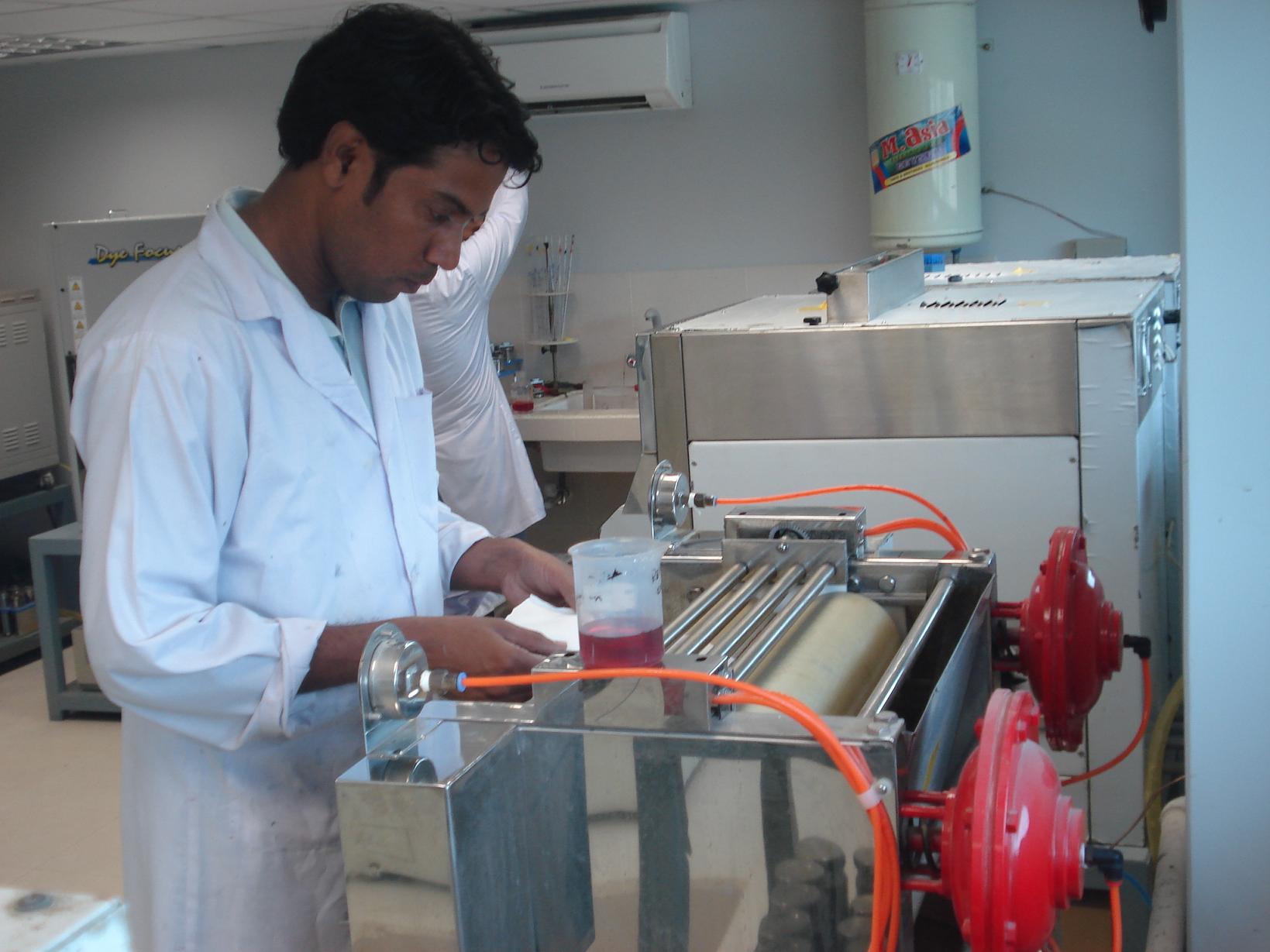
Sustainability also depends on technical control.
A supposedly better product will not deliver better outcomes if application is poorly controlled. Process discipline remains essential.
- Correct dye selection for substrate and method
- Control of temperature, pH, electrolyte and alkali
- Management of washing-off sequence and liquor exchange
- Shade matching and reproducibility before scale-up
Relevant sustainability resources
These resources support the sustainability and process efficiency discussion with more detailed technical context.
Discuss process efficiency with Chemi Colour.
For product enquiries, wash-off discussions, shade consistency issues or sustainability-linked dyehouse questions.
Contact Chemi Colour